Find the failed part before pulling the pump
A tired pressure switch, a waterlogged tank, or a stuck check valve can look just like a burned motor. We check power, the controls, the tank, and the wellhead before anyone plans a pull.
If the well stopped keeping the house in water, we can help. We’ll look at the pump, the motor, the pipe, and the pressure tank, then repair what’s actually worn out.
If any of these match, you’re in the right place. If it’s something else, just say so when you call.
A tired pressure switch, a waterlogged tank, or a stuck check valve can look just like a burned motor. We check power, the controls, the tank, and the wellhead before anyone plans a pull.
Most private wells we see around the valley and the Peninsula use a submersible pump. We pull it, match a replacement to the well, and set it back with a working check valve and a comfortable pressure setting.
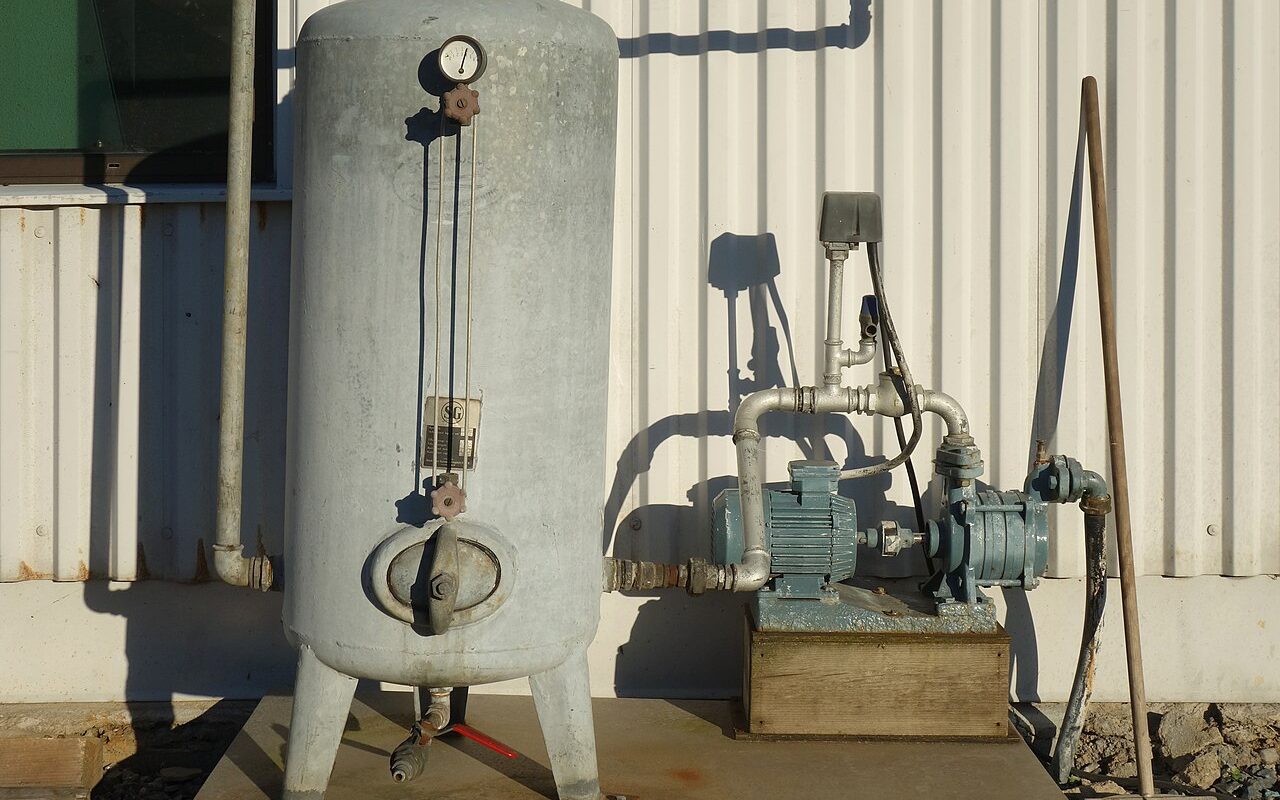
Shallow wells and shared systems sometimes use a jet pump or a booster sitting above ground. When that’s the case, the repair is often quicker than pulling a pump from the well, and we’ll tell you so.
A new pump on a worn-out tank will turn itself on and off until it fails again. Tanks, switches, gauges, and low-pressure cutoffs are part of the same visit.
We don’t drill new wells. That’s a different license. We repair and replace the pump and the pressure equipment. If the well itself has a problem, we’ll say so and point you toward a driller.
Usually, yes. If we can read the model, horsepower, and stages — or measure what’s there — we can match it. A bigger pump isn’t always better. It needs to fit the well and the pressure your home or irrigation actually needs.
Often it’s a waterlogged pressure tank, a worn bladder, a switch set too tightly, or a check valve letting water fall back down the well. We check those easier parts before blaming the pump.