Help · updated 2026-10-10
Why do my irrigation heads and drip lines clog?
A head that spits, mists, or quits while the pump is clearly running is often packed with sand. Drip emitters fail the same way: the openings are tiny, and grit only has to arrive once.
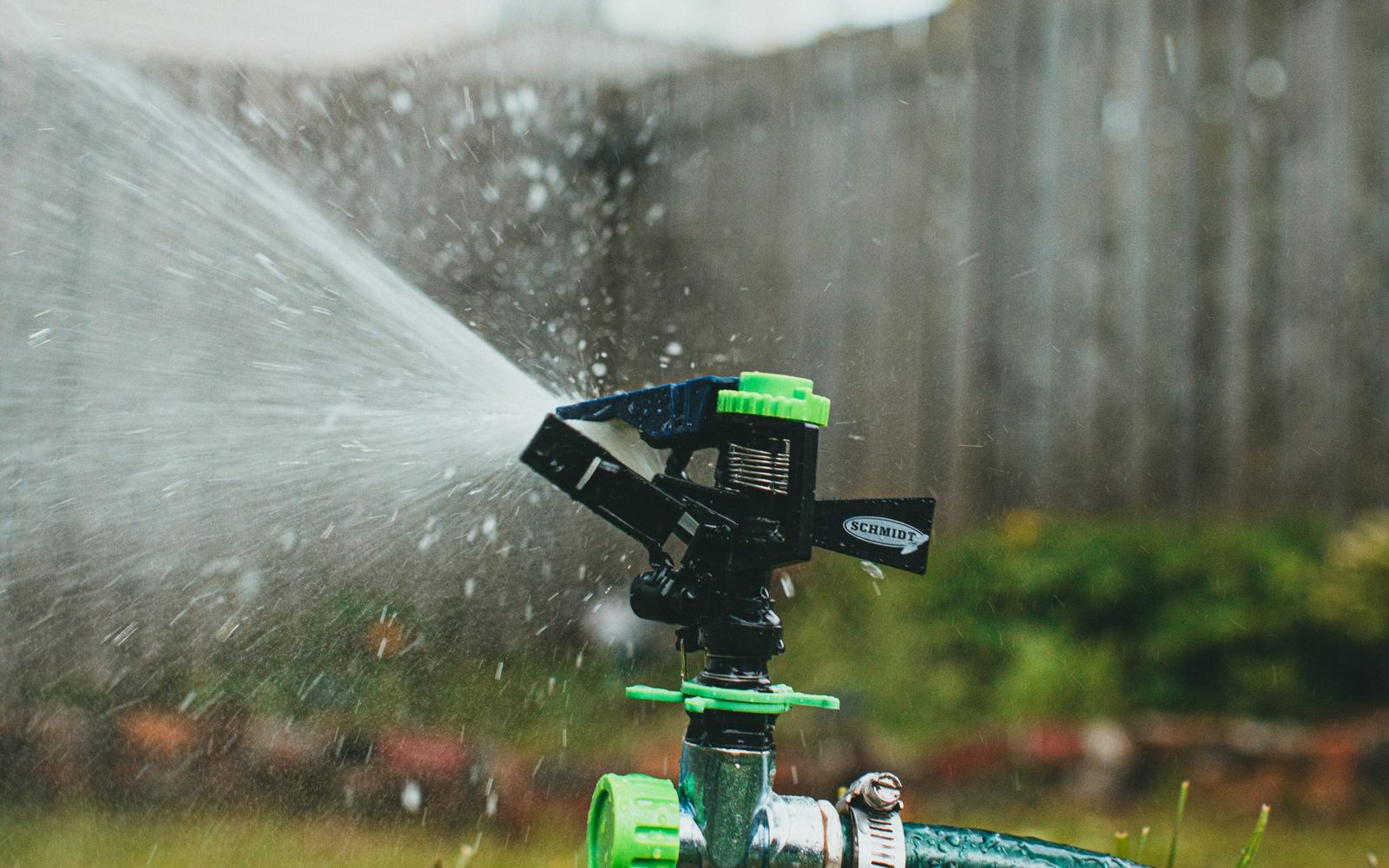
Sand is the usual suspect
Unscrew a clogged nozzle and look. Grit in the screen, or a little pile of sand in the filter bowl, means the water is dirty before it ever gets to the yard. Flushing the line helps until the next cycle brings a fresh load. That is why the same two zones clog every week.
Silt behaves like sand, only finer. It stains the bowl a muddy color and packs emitter labyrinths until a whole drip row goes dry from the middle outward.
Clogged is not the same as a weak pump
A tired pump or a lost prime gives you weak pressure everywhere, including a hose bib ahead of the valves. Clogs are picky: one zone, the last heads, or only the drip, while the pump pressure looks normal. If the hose bib is strong and the heads are weak, clean or protect the lines before you buy a pump.
If the pressure is poor at the pump too, then we are back to the pump, the tank, a suction leak, or a check valve. Both can be true. Sand will also wear an impeller until the pump itself gets weak.
A sand separator stops the repeat
Cleaning nozzles is maintenance. It doesn’t stop the well from sending more sand. A centrifugal sand separator on the discharge, ahead of the valves, drops the grit out so the heads and the drip filter see cleaner water. A flushable screen after it catches what the separator misses.
Iron is the other common clog on a well system. Red or orange crust in the emitters is iron, not just sand. A separator won’t remove dissolved iron. It will still save the equipment from the grit that comes with it. The red-water article covers what a pump shop can’t filter out.
What to tell us when you call
Say whether it’s spray heads, rotors, or drip, and whether you find sand in the filter. Tell us if the well pump and the irrigation pump are the same machine or two different ones. That decides whether we’re looking at a booster, a well pump, or a separator on the line between them.
We repair the pump and the pressure equipment, and we can add a separator where it belongs. We don’t pull nozzles across the whole yard or reprogram the timer.
Short answers
I cleaned the heads and they clogged again the next day. Why?
The source is still upstream. Until the sand is separated or the well stops producing it, new water brings a new clog.
Only one zone clogs. Is the valve bad?
Maybe. A valve screen can load up while the other zones stay clear. If the sand is in that screen, the valve isn’t the cause — it’s the first place the sand got stuck.
Do drip systems need a separator if they already have a filter?
The filter is doing the catching, which is why you have to clean it so often. A separator ahead of it means you’re not washing that disc or screen out after every cycle.